
The UK energy system is entering one of its largest transformation periods in decades. Ofgem’s RIIO-ET3 price control (2026–2031) has set out record-level investment in the transmission network, the high-voltage “motorways” that move electricity around the country, and one headline figure has sparked conversation across industry:
UK electricity transmission costs are forecast to rise by 149% by 2031.
This figure comes directly from Ofgem’s Final Determination.
So what does this actually mean? Should businesses be worried? And how can organisations prepare?
Let’s break it down in simple terms.
1. What is RIIO-ET3?
RIIO-ET3 is Ofgem’s five-year regulatory framework that sets how much transmission operators (National Grid Electricity Transmission, SP Transmission, SSEN Transmission) can invest and recover from customers between 2026 and 2031.
The goal is clear:
This requires unprecedented investment, and that is where the rising cost comes in.
2. What does the 149% increase actually refer to?
The 149% figure refers to allowed transmission network revenue, not total consumer bills, a common misconception.
Ofgem’s modelling shows:
For businesses, the impact depends on:
But make no mistake, energy-intensive operators will feel higher pass-through charges.
3. Why is transmission investment increasing so dramatically?
Three major reasons:
A. Renewable integration – The UK regularly wastes renewable energy due to limited grid capacity. Wind constraint payments cost billions over recent years, costs ultimately borne by consumers.
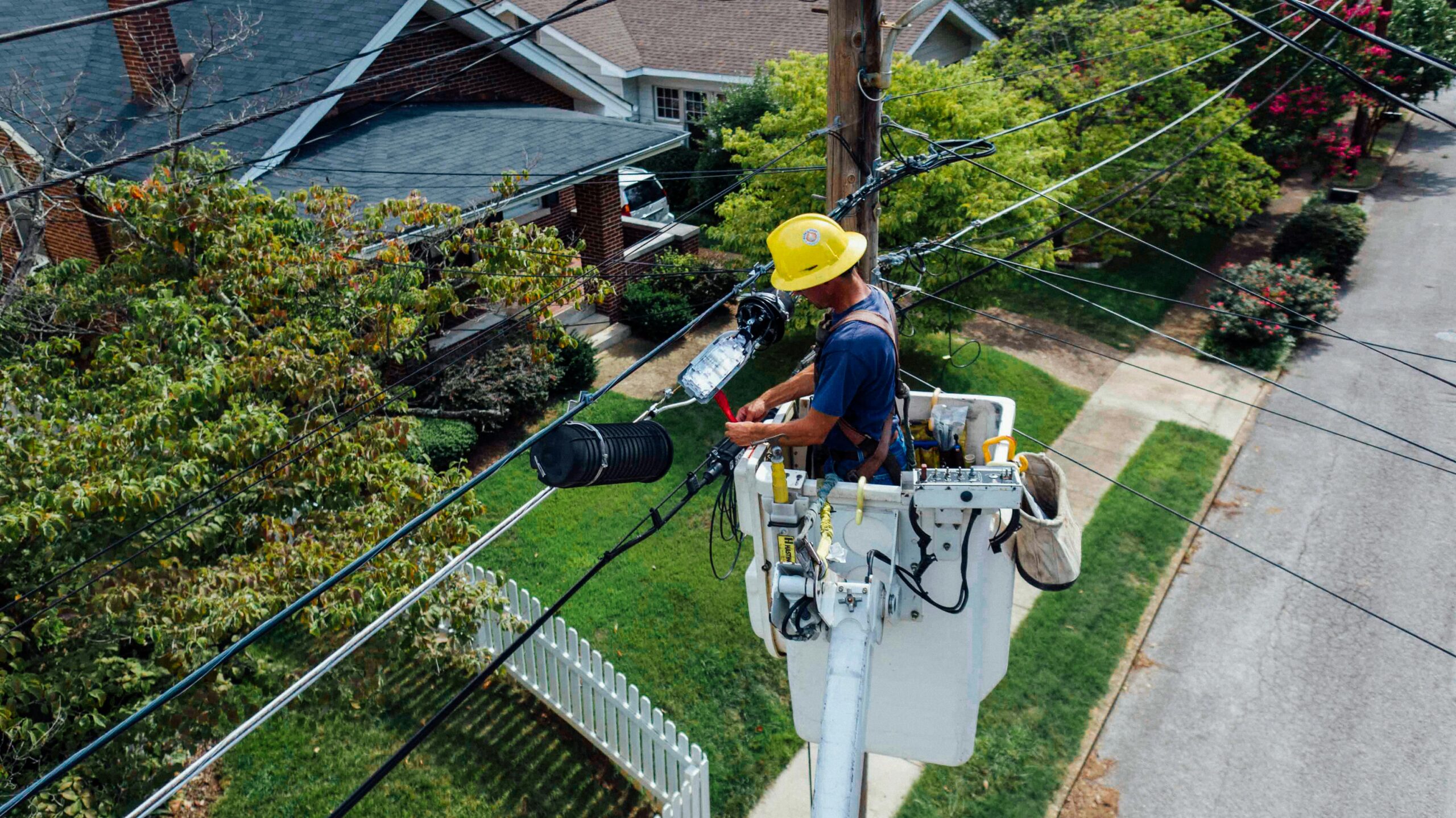
B. Major new infrastructure – Ofgem has approved multi-billion-pound “electricity superhighways”, new high-voltage routes and reinforcement from Scotland to England.
C. Demand growth
• Electrification of transport
• Electrified heat
• Manufacturing decarbonisation
• Data centre expansion
This requires a grid with far more capacity and flexibility.
4. So… will energy bills skyrocket?
Not necessarily, and this is where nuance matters:
• The 149% rise is not equal to a 149% bill increase.
• The transmission component is only one part of a business’s total energy cost.
• Ofgem states that upgrading the grid will lower wholesale energy costs over time, because cheaper renewable power can flow freely instead of being curtailed.
• Reduced constraints also limit additional charges that currently inflate bills.
Short-term: costs rise.
Medium–long term: system-wide efficiencies may offset the increase.
However, businesses still face real and unavoidable cost pressure during the transition.
5. What does this mean for UK businesses right now?
A. Energy cost volatility isn’t going away – Wholesale prices may ease, but non-commodity charges (TNUoS, DUoS, BSUoS, etc.) continue increasing.
B. Standing charges are likely to rise – Especially for high-usage or high-voltage-connected sites.
C. Energy waste becomes even more expensive – If network charges are rising, every wasted kilowatt becomes more costly than before.
D. Businesses with multiple sites feel this at scale – Hospitality, retail, manufacturing, leisure, even small increases multiplied across dozens of sites create substantial financial impact.
6. What can organisations do to mitigate rising transmission costs?
Where Powerhub Solutions Can Help
Powerhub Solutions specialises in helping multi-site operators cut energy waste, reduce operating costs, and future-proof their estates, all through non-disruptive, fast-ROI technologies including.
Voltage Optimisation (VO) – Proven to reduce electricity usage by 8–18%, directly lowering the energy volume affected by rising transmission charges.
KBR Energy Saver & Refrigeration Optimisation – A major saving area for hospitality and retail, persistent, verified reductions in refrigeration electrical load.
Solar PV for Commercial Sites – Generate on-site energy, reduce imported kWh, and shield your estates from rising non-commodity charges.
IoT Monitoring, EMS & BMS (with ClearWorld) – Real-time visibility across the estate prevents drift, flags faults, and locks in savings.
Verified Savings, Not Estimates – Every intervention is measured, validated, and evidenced, essential for budgeting, board reporting, and ESG compliance.
If rising network charges are a concern, we can help you build a cost-reduction roadmap tailored to your estate.
References
1. Ofgem – RIIO-3 Final Determinations: Electricity Transmission (ET) — Final Determination document – here
2. Ofgem – RIIO-3 Final Determinations (Electricity Transmission, Gas Distribution & Gas Transmission sectors) — Overview page listing all RIIO-3 documents – here
3. Ofgem – RIIO-3 Final Determinations Impact Assessment — Document assessing consumer and system impacts of the price control changes – here
4. Press release – Ofgem agrees early investment and updated dates for proposed electricity “superhighways” – here
5. News coverage – “Ofgem approves early investment in three UK electricity ‘superhighways’” (The Guardian) – here
6. News coverage – “Ofgem green lights £28bn investment in UK energy infrastructure” (Financial Times) – here
7. Article – “Ofgem approves GBP 10.3 billion investment in UK transmission grid” (PV Magazine) – here
Now is the moment to turn energy from a cost, into a competitive advantage, and it starts with clarity, not commitment.