
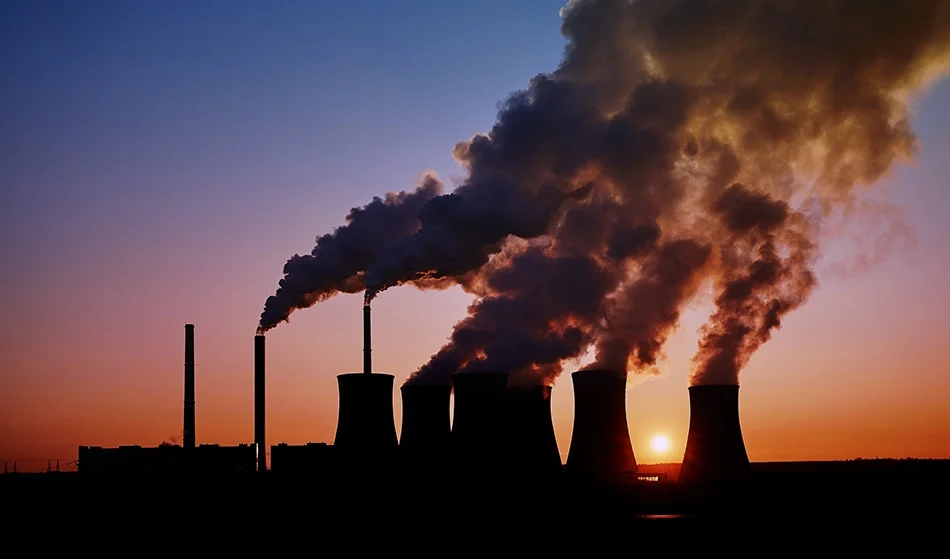
The UK is preparing to introduce a new carbon tax, and while it’s often discussed in technical or political terms, its real impact will be felt much closer to home, in operating costs, supply chains, and day-to-day energy decisions.
This isn’t something businesses can ignore until it arrives, it’s a clear signal of where energy, carbon, and cost are heading.
What is the UK’s new carbon tax?
The policy, known as the UK Carbon Border Adjustment Mechanism (CBAM), is designed to put a carbon cost on certain imported goods based on how emissions-intensive they are to produce.
In simple terms, it aims to stop a situation where UK businesses pay for carbon through domestic schemes, while imported goods, often produced with higher emissions, enter the market without facing the same cost. The goal is to level the playing field and prevent emissions simply being shifted overseas.
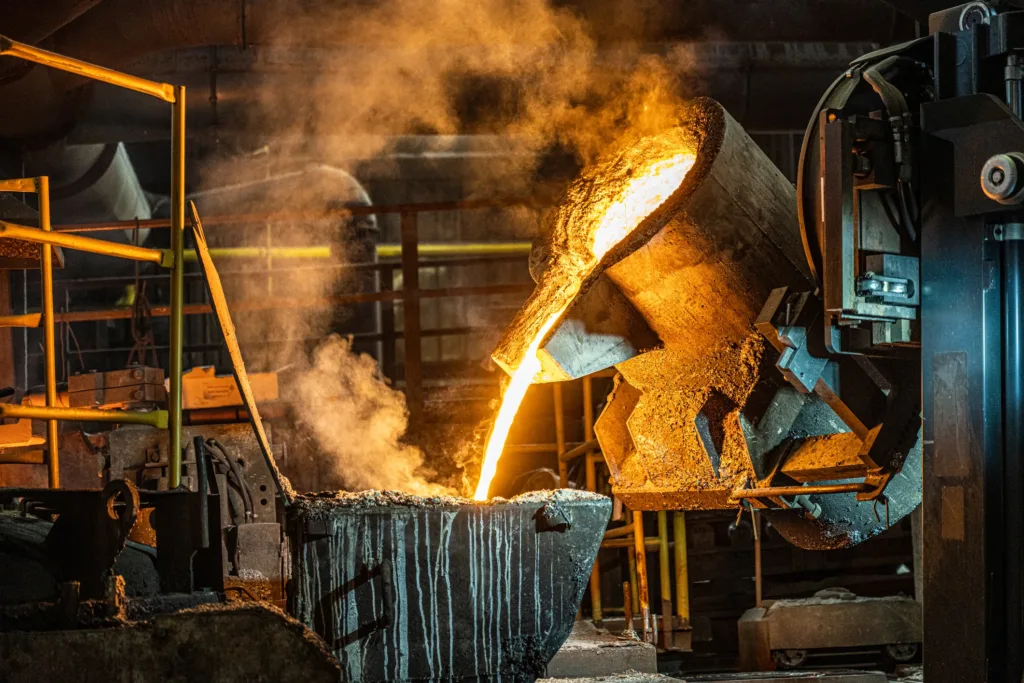
The scheme is expected to come into force from 2027 and will initially apply to carbon-intensive materials such as steel, cement, aluminium, fertilisers and chemicals. While the focus is on these sectors, the knock-on effects will be felt much more widely across UK industries.
Why businesses are paying attention now
While the principle behind the policy is broadly supported, industry groups have raised concerns about how it will be implemented and what it could mean in practice.
The main issue isn’t the idea of pricing carbon, that direction is already well established. The concern is around uncertainty: how emissions will be calculated, how fairly imports will be assessed, and how well the UK system will align with international schemes like the EU’s.
For businesses, uncertainty makes planning harder, as it creates risk around future costs, procurement decisions, and long-term investment, particularly for energy-intensive operations.

The bigger shift behind the policy
Beyond the detail of the tax itself, CBAM reflects something much bigger.
Carbon is no longer just a reporting metric or a future target, it’s increasingly becoming a direct cost that businesses are expected to manage. Whether through taxes, procurement requirements, investor scrutiny, or customer expectations, the message is consistent: organisations will be judged on what they actually reduce, not just what they commit to.
That’s why efficiency is moving back to the centre of the sustainability conversation.
Why energy efficiency matters more than ever
While carbon border taxes focus on imports and materials, the most immediate thing organisations can control is their own energy demand.
Reducing wasted electricity doesn’t depend on legislation timelines or policy detail, it delivers value regardless of how CBAM evolves.
Lower demand means:
In short, efficiency reduces risk, financially and operationally.
A practical response, not a reactive one
The businesses best placed to navigate changes like CBAM aren’t waiting for final policy documents, they’re focusing on what’s already within their control.
That usually starts with understanding where energy is being wasted, reducing unnecessary demand, and putting proper measurement in place so improvements are visible and verifiable.
This approach doesn’t just support sustainability goals, it strengthens resilience and protects margins in an increasingly carbon-aware economy.
Looking Ahead
The UK’s new carbon tax is part of a wider shift that’s already underway. Carbon is moving from something discussed annually in reports to something that directly affects costs, competitiveness, and operational decisions.
For organisations across hospitality, manufacturing, education and commercial estates, the takeaway is simple: the more efficiently energy is used today, the less exposed the business becomes tomorrow.
Efficiency isn’t a reaction to policy, it’s the foundation for long-term stability.
References
1. Financial Times – New carbon tax will hurt British industry, say steel, cement and chemicals groups
2. UK Government / HM Treasury & DESNZ – UK Carbon Border Adjustment Mechanism (CBAM): Policy Design
3. UK Parliament Research Briefing – The UK Carbon Border Adjustment Mechanism
4. European Commission – EU Carbon Border Adjustment Mechanism (CBAM) Explained
5. UK Emissions Trading Scheme Authority – UK ETS Overview